
Bulk Party Favors: Avoiding Late Ships and Surprise Costs
Plan bulk party favors with clear timelines, shipping cutoffs, and budget guardrails—plus a simple backup plan for stockouts and last-minute changes.
Start with a timeline that respects real-world lead times
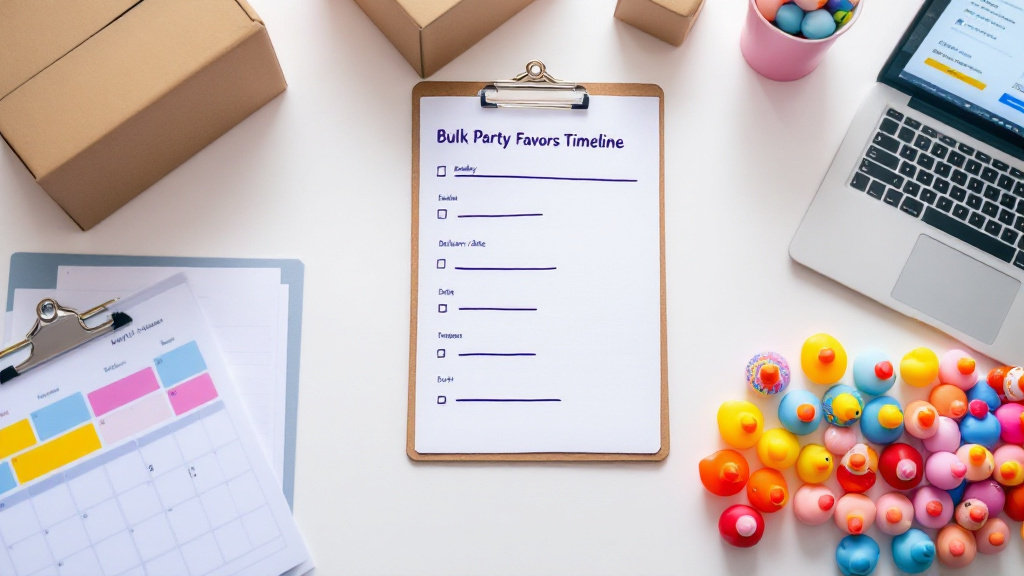
Bulk party favors fail more often from calendar math than from taste. For reliable party-planning, work backward from the event date and create three milestones: Need-by date (event day), Delivery deadline (2–5 days earlier), and Order-by date (seller lead time + transit + buffer). For bulk-orders, assume longer pick/pack times and occasional inventory checks—especially for themed assortments, custom labels, or mixed bundles.
When comparing sellers, don’t just look at “ships in 1–2 days.” Ask: processing time, carrier service level, and cutoff times (e.g., orders placed after 2 p.m. ship next business day). Check whether weekends/holidays pause fulfillment. If you’re mixing sources, align everything to the slowest item.
A practical rule: build a buffer equal to one full business week for anything over 24 units, and two weeks for multi-SKU kits. Stores like QuackTheme Warehouse simplify this by making theme-first bundles and clear delivery dates easy to compare—saving time, money, and stress.
Spot surprise costs: shipping, handling, and “cheap item” traps
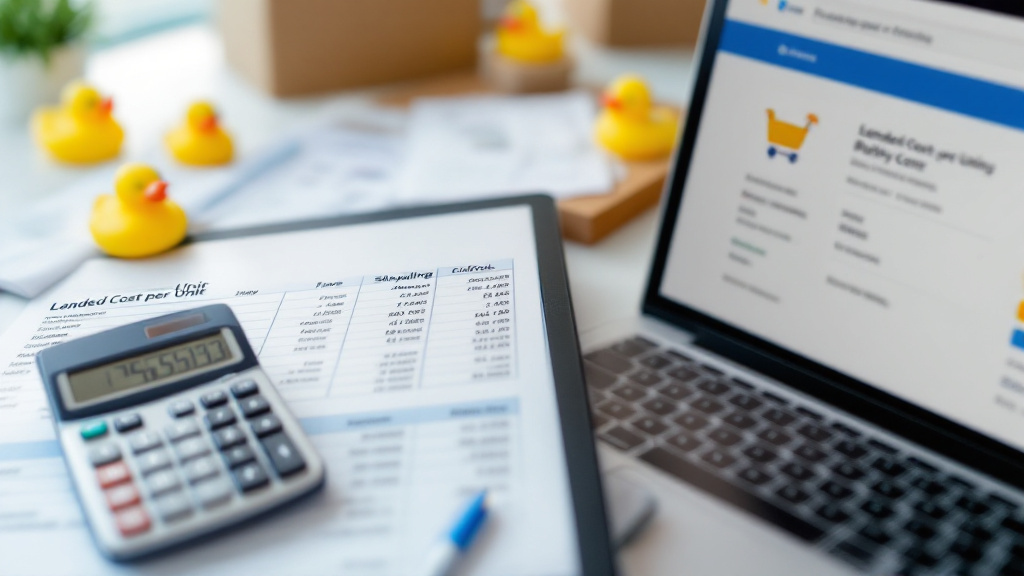
The fastest way to break your budgeting plan is to price only the item—not the delivered unit cost. For bulk-orders, calculate landed cost per favor: (items + shipping + handling + taxes + any customization fees) ÷ quantity. A $2 favor can become $4+ when oversized packaging, “warehouse handling,” or residential surcharges appear at checkout.
To avoid hidden fees, scan product pages for thresholds and fine print: minimum order quantities, tiered shipping, box count, and rush pick/pack charges. Compare carriers too—economy services may be cheaper but risk late delivery during peak seasons. If a seller can’t provide a clear delivery window, treat it as risk and price in the buffer.
Use guardrails: set a maximum landed cost (e.g., “under $3.25 delivered”), limit the number of sellers to reduce duplicate shipping, and prioritize multipacks or curated bundles. This is both shipping discipline and risk-management: clarity upfront prevents last-minute upgrades like expensive express shipping to save an event.
Build a simple contingency plan for stockouts and delivery risk
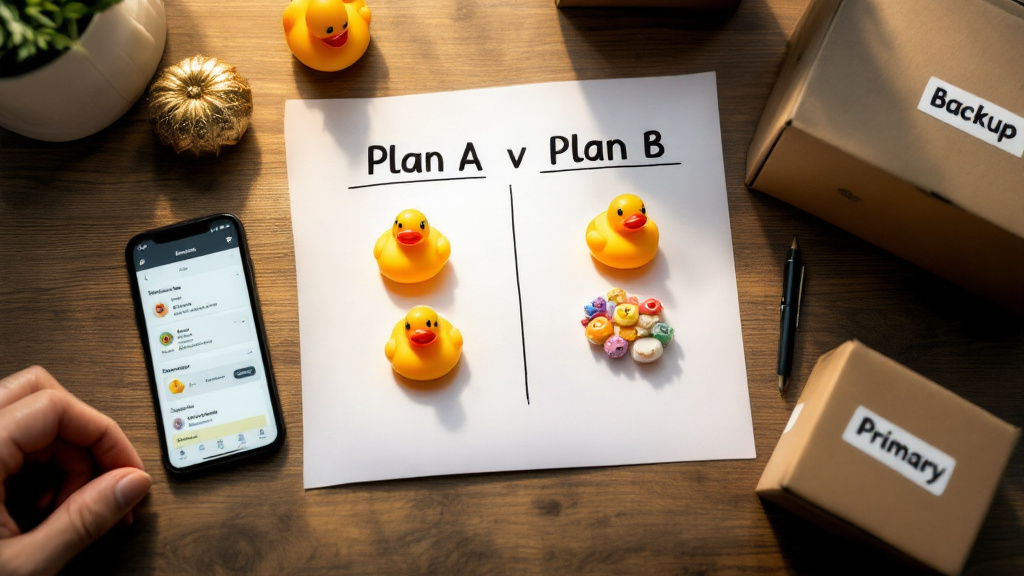
Even with solid party-planning, things happen: a theme sells out, a carrier delays, or a venue changes the drop-off window. A lightweight contingency plan keeps you calm and protects your event. Start with a Plan B bundle: a second-choice theme or colorway that matches the occasion (and is in-stock now). Save it as a cart or wishlist so you can reorder in minutes.
Next, define your decision triggers. Example: “If tracking doesn’t show acceptance within 24 hours of the ship date, I reorder Plan B.” Or: “If the seller can’t confirm inventory for 100 units by Friday, I split the order into two multipacks.” For risk-management, keep quantities modular—smaller bundles can ship from different inventory locations without derailing the whole order.
Finally, document everything: screenshots of delivery dates, order confirmations, and tracking links. If you’re buying for schools or events, store reorders in order history for repeatable bulk-orders. The goal is not perfection—it’s resilience, predictable shipping, and a budget that doesn’t get hijacked by emergencies.